S1E6 - Chapter 5 - Bob's Big Boy Massacre
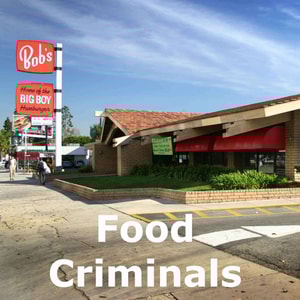
A look at one of 1980s LA's most terrifying crimes!
The Bob’s Big Boy Massacre (1980)The Intelligence is Artificial, but the Crime is Real.
Episode Overview
On December 14, 1980, a mass shooting at a Bob's Big Boy in Los Angeles left multiple people dead and several others wounded in one of the most shocking yet largely forgotten restaurant shootings in California history.
This case, involving gunman David Eugene Greenwood, represents an early example of modern mass violence in a public dining space. Long before mass shootings became a regular part of national headlines, this attack exposed how vulnerable everyday locations like diners and family restaurants could be.
This episode explores the timeline of the Bob’s Big Boy massacre, the background of the shooter, the events of the attack, and its lasting place in true crime history.
Key Topics Covered
Bob’s Big Boy massacre 1980 full timelineDavid Eugene Greenwood background and motiveLos Angeles restaurant shooting historyEarly mass shootings in CaliforniaPublic space violence in the late 20th centuryTrue crime analysis of mass casualty eventsRestaurant shootings in U.S. history
The Location: Bob’s Big Boy and American Dining Culture
Bob's Big Boy was one of the most recognizable restaurant chains in America during the mid-20th century, particularly in California. Known for its iconic mascot, casual atmosphere, and late-night service, it served as a gathering place for families, teenagers, and workers alike.
By 1980, Bob’s Big Boy locations were deeply embedded in Southern California culture. The idea that such a place could become the site of a mass shooting was deeply unsettling, contributing to the shock that followed the attack.
Official brand history and background:https://www.bobs.net/about
Historical overview of Bob’s Big Boy and its cultural impact:https://www.pbssocal.org/shows/lost-la/the-story-of-bobs-big-boy
The Perpetrator: David Eugene Greenwood
The gunman, David Eugene Greenwood, was a 19-year-old former employee of the restaurant. His prior connection to the location raised immediate questions about workplace grievances, personal instability, and access to the victims.
Reports from the time indicate that Greenwood had a troubled background and exhibited signs of emotional and behavioral instability. However, like many early mass shooting cases, the available documentation does not point to a single clear motive. Instead, the attack appears to have been driven by a combination of anger, alienation, and opportunity.
Archived news coverage (UPI):https://www.upi.com/Archives/1980/12/15/Teenager-held-in-Bobs-Big-Boy-slayings/
Los Angeles Times archives search (relevant articles):https://www.latimes.com/archives
California newspaper archive database:https://cdnc.ucr.edu
The Attack: December 14, 1980
On the night of December 14, 1980, Greenwood entered the Bob’s Big Boy restaurant armed with a firearm and began shooting. The attack unfolded rapidly, giving patrons and employees little time to react.
Victims included both staff members and customers, underscoring the indiscriminate nature of the violence. Multiple individuals were killed, and several others were injured before law enforcement arrived and took Greenwood into custody.
The confined layout of the restaurant contributed to the chaos, as diners attempted to flee or take cover in a space not designed for emergency escape. The scene quickly transformed from a normal evening service into a site of panic and tragedy.
UPI archival report on the shooting:https://www.upi.com/Archives/1980/12/15/Teenager-held-in-Bobs-Big-Boy-slayings/
Associated Press archive search:https://apnews.com/hub/ap-top-news
Investigation and Motive Analysis
Investigators initially searched for a clear motive but found no single explanation that accounted for the scale of the violence. While Greenwood’s past employment at the restaurant suggested a personal connection, there was no definitive evidence of a triggering workplace dispute.
The case ultimately fell into a category that would become more familiar in later decades: acts of mass violence driven by a combination of personal instability, perceived grievances, and access to weapons, rather than a single identifiable cause.
This ambiguity made the case difficult to process at the time and contributed to its gradual fading from public memory.
General research on early mass shootings in the U.S.:https://www.rand.org/research/gun-policy/analysis/essays/mass-shootings.html
FBI overview of mass shooting characteristics:
https://www.fbi.gov/file-repository/active-shooter-incidents-in-the-us-2014-2015.pdf
Cultural and Historical Context
The Bob’s Big Boy massacre occurred at a time when mass shootings were not yet a dominant feature of American media coverage. As a result, it did not receive the sustained national attention that similar events would garner today.
However, in retrospect, the case is part of a broader pattern of late 20th-century violence that signaled a shift in how and where such crimes could occur. Restaurants, once seen as safe communal spaces, became part of a growing list of vulnerable public environments.
The case also highlights how certain crimes, particularly those without a clear narrative or motive, can fade from public consciousness despite their severity.
Historical database of U.S. mass shootings:https://www.motherjones.com/politics/2012/07/mass-shootings-map/
Violence Policy Center research:https://www.vpc.org/studies/massshooting.htm
Why This Case Still Matters
The Bob’s Big Boy massacre is a reminder that the phenomenon of mass violence in public spaces did not begin in the 21st century. It has deeper roots, often overlooked, in earlier decades.
Understanding cases like this one helps build a more complete picture of how mass shootings evolved, how they were understood at the time, and how public awareness has changed.
For true crime audiences, it also serves as a case study in how certain tragedies are remembered while others are quietly forgotten, despite being equally devastating.
This podcast is powered by Pinecast.